What happens when we stop ignoring the female experience in neuroscience?
For decades, women’s health has remained a scientific blind spot. Today, UC Santa Barbara is leading a global collaboration to change the way we understand and treat women’s brain health throughout the lifespan.
We invite you to join the Ann S. Bowers Women’s Brain Health Initiative (WBHI) and Dr. Rajita Patil with UCLA Health for a three-part lecture series at the Cabrillo Arts Pavilion. Through this series, you’ll discover how the University of California, in partnership with Stanford and Cornell, is transforming the study of the human brain—from pregnancy to menopause.
Breakthroughs in Women’s Brain Health: A Three-Part Lecture Series is proudly sponsored by The UCSB Affiliates in partnership with UC Santa Barbara Alumni Affairs and the Office of Development.
Women’s Brain Health Lecture Series Schedule
All lectures will be held at Cabrillo Pavilion Event Center. Space is limited & RSVP is required.
Doors Open: 5:30 PM | Lecture & Networking: 6:00 PM - 7:30 PM

Thursday, March 19, 2026
Dr. Emily Jacobs
Professor of Neuroscience at UC Santa Barbara
Director of the Ann S. Bowers Women's Brain Health Initiative
Lecture One: New Frontiers in Women’s Brain Health
Women’s health remains one of the most underfunded and understudied areas of science. Nowhere is this knowledge gap more visible than in neuroscience, where fewer than 0.5% of brain imaging articles focus on female-specific experiences, including menstruation, pregnancy, and menopause, that shape the lives of half the global population. Progress in women’s brain health will require a global shift in science culture, and that shift has started. In her lecture, Jacobs will examine emerging research programs, public policy changes, and private sector funding opportunities that are shining a floodlight on women’s health, and by doing so are opening up new frontiers for understanding health and disease for all.
Thursday, April 23, 2026
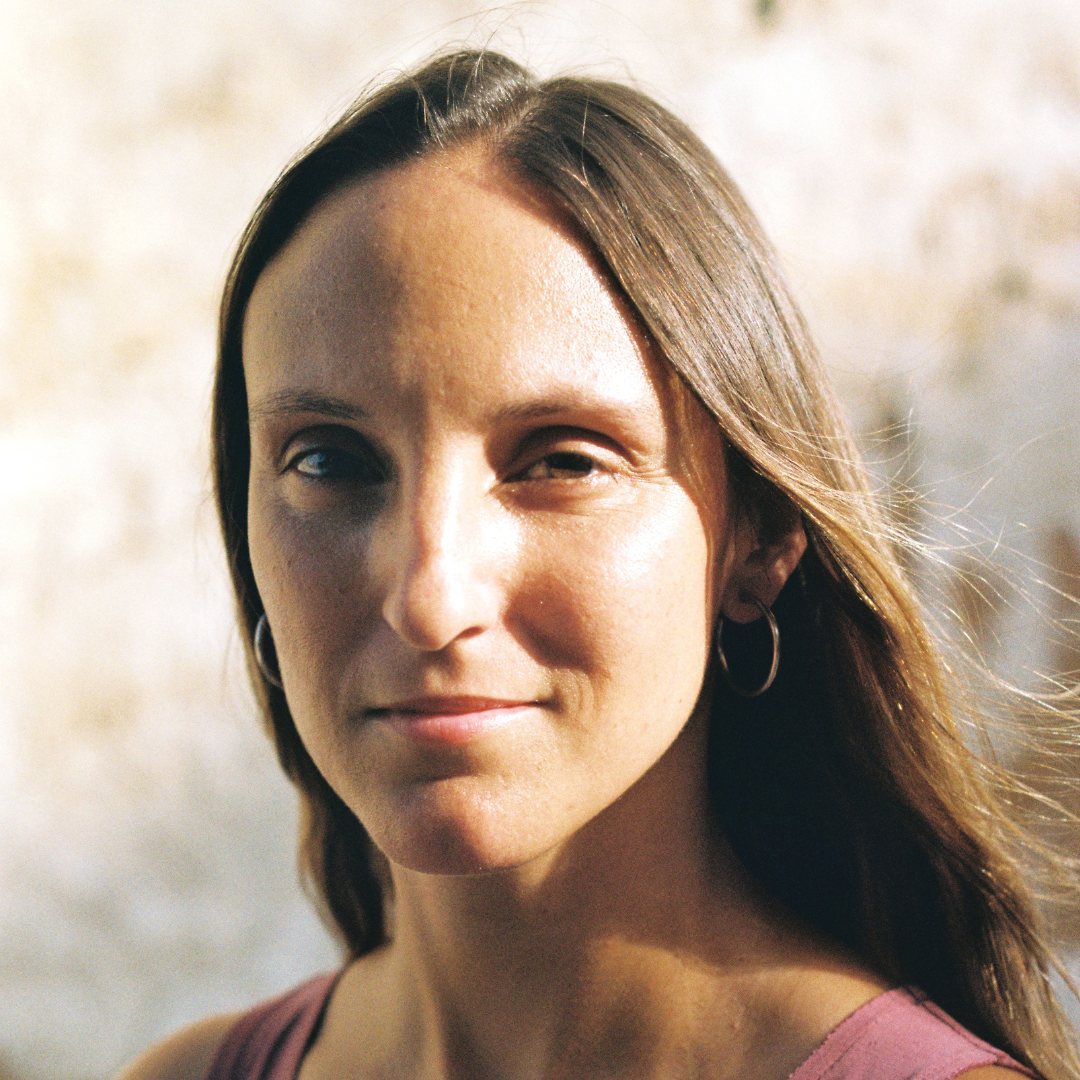
Dr. Magdalena Martinez Garcia
Scientific Director of Maternal Brain Health at the WBHI
Lecture Two: The Neuroscience of Motherhood
In 2024 a team of scientists at UC Santa Barbara generated the first detailed map of the human brain across pregnancy. Now they are launching a global expansion of the “Maternal Brain Project” to establish the most comprehensive maternal neuroimaging database to date. Led by Dr. Martinez Garcia, the Maternal Brain Project is shining a light on the neuroscience of matrescence, or the profound neural adaptations that occur during pregnancy and postpartum. To what extent is the adult human brain capable of extensive neuroplasticity? Could the remodeling of the maternal brain inspire new treatments for stroke or brain injury? Can we detect biomarkers of postpartum depression before behavioral symptoms manifest? Do pregnancy conditions like preeclampsia or gestational diabetes effect maternal brain health? To answer these questions—and many more—a global team of experts in neuroscience, reproductive immunology, proteomics, and AI have joined forces to chart the unparalleled transformation of the maternal brain—searching for insights that could enhance brain health not just for mothers, but for everyone.

Thursday, May 14, 2026
Dr. Rajita Patil
OBGYN, Director of UCLA Health's Comprehensive Menopause Program
Lecture Three: A New Model for Menopause Care
More than half of people going through menopause in the United States don’t receive treatment. Yet, significant changes occur during menopause that can affect your short- and long-term health. At UCLA Health’s Comprehensive Menopause Program, an expert team of certified menopause providers and collaborating specialists provide comprehensive, evidence-based and individualized care for persons going through and in menopause. Their team provides patient-centered care that spans urogynecology, cardiology, neurology, sleep medicine, psychology, breast oncology and more. This model of integrated care is essential because menopause is a whole-body transition and clinician-scientists now realize this is a critical window for preventative care. In her lecture, Dr. Patil will tackle essential information about menopause, from how to know you’re in perimenopause, to menopause-related symptoms and evidence-based treatment options.
Learn more about the Ann S. Bower Women's Brain Health Initiative.
With special thanks to our sponsor
.png)